Periodontal gum disease treatment in Adelaide
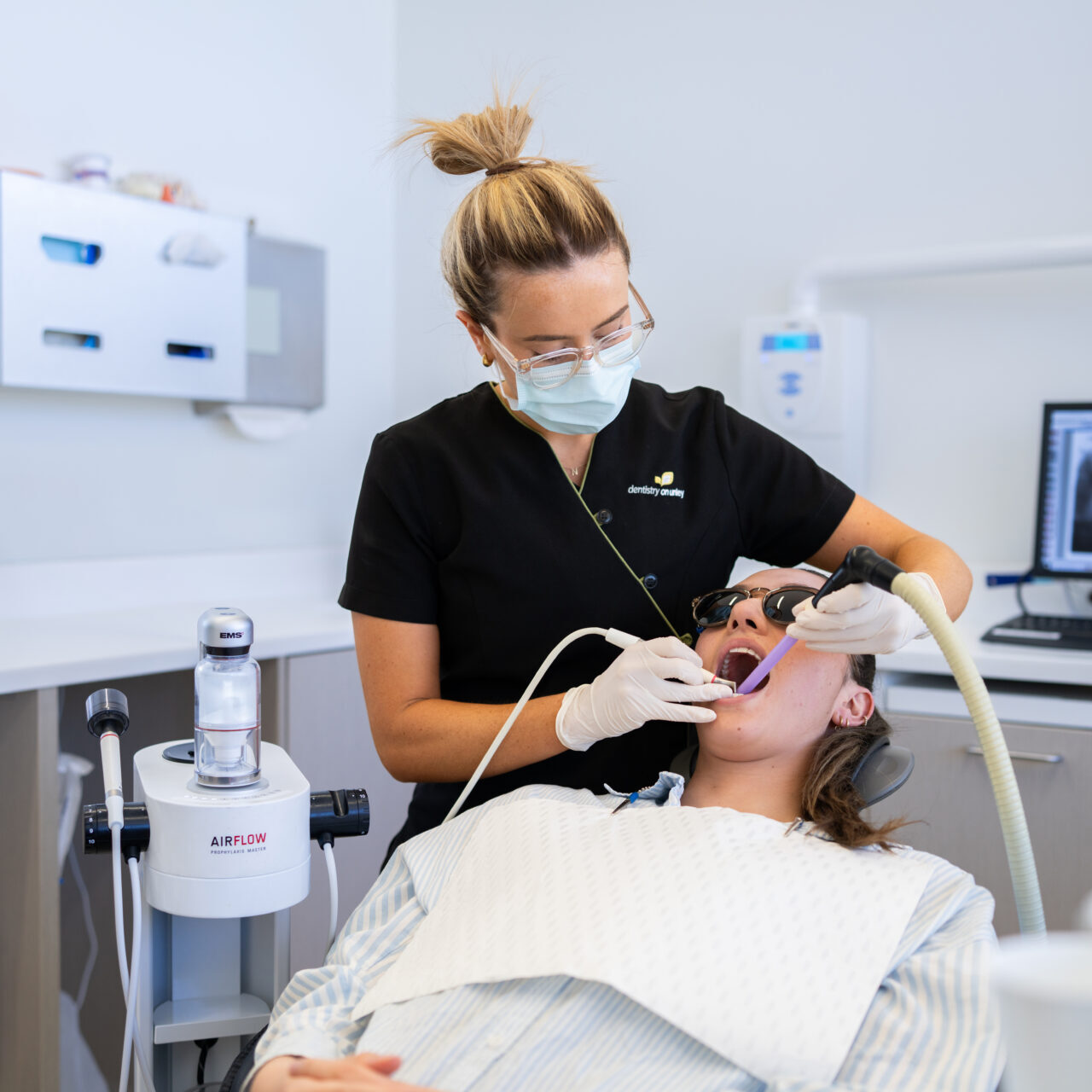
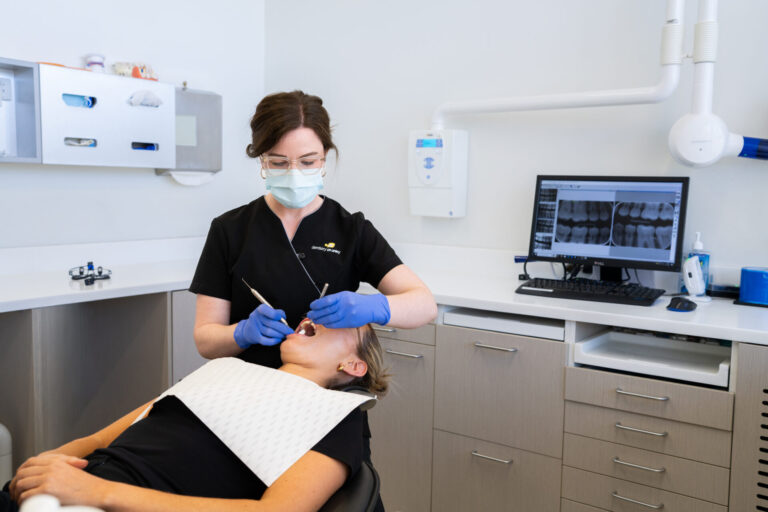
Gum disease is more common than most people realise, and more serious than many give it credit for. At Dentistry on Unley, we screen every patient for gum disease at every examination and hygiene appointment, because catching it early makes an enormous difference to the outcome.
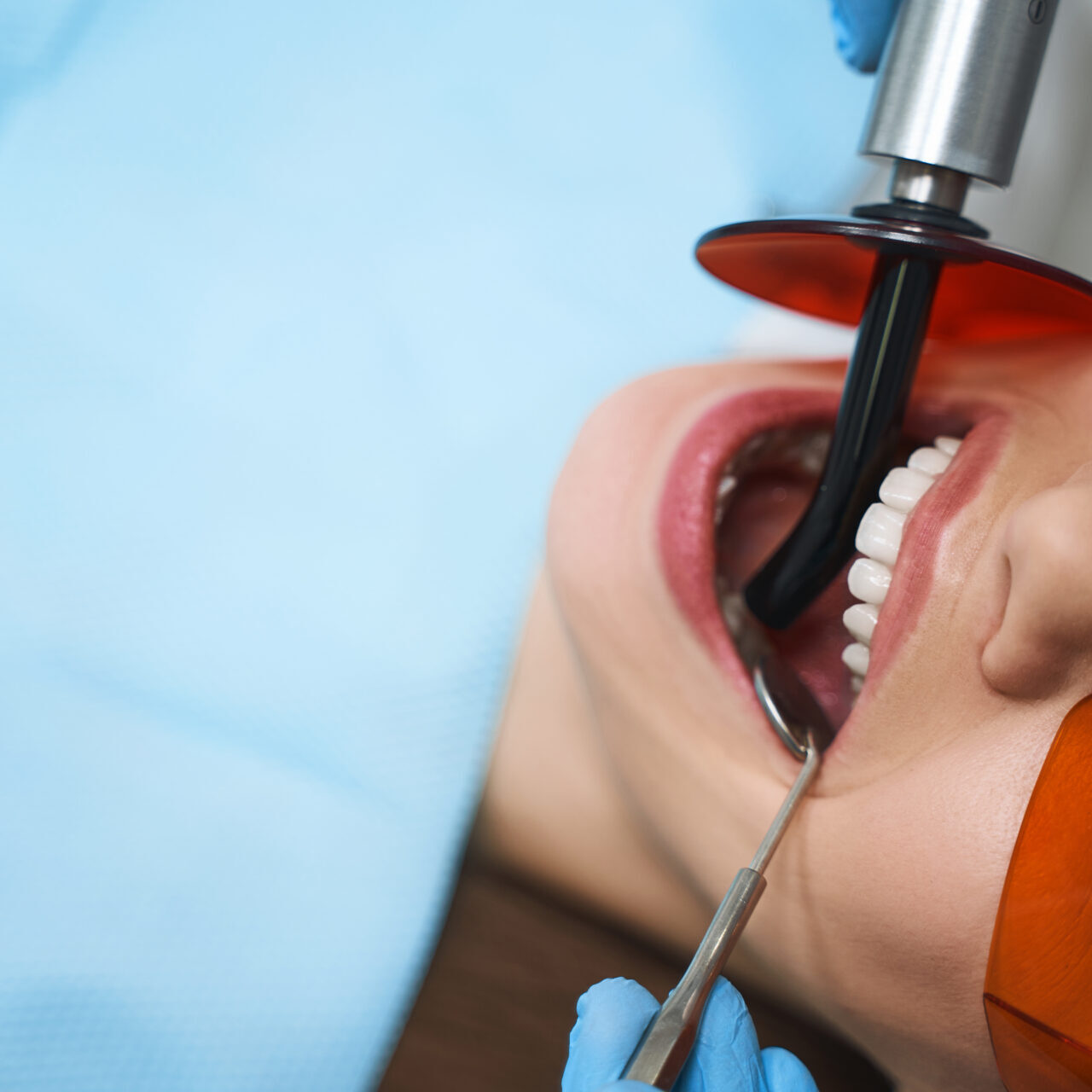
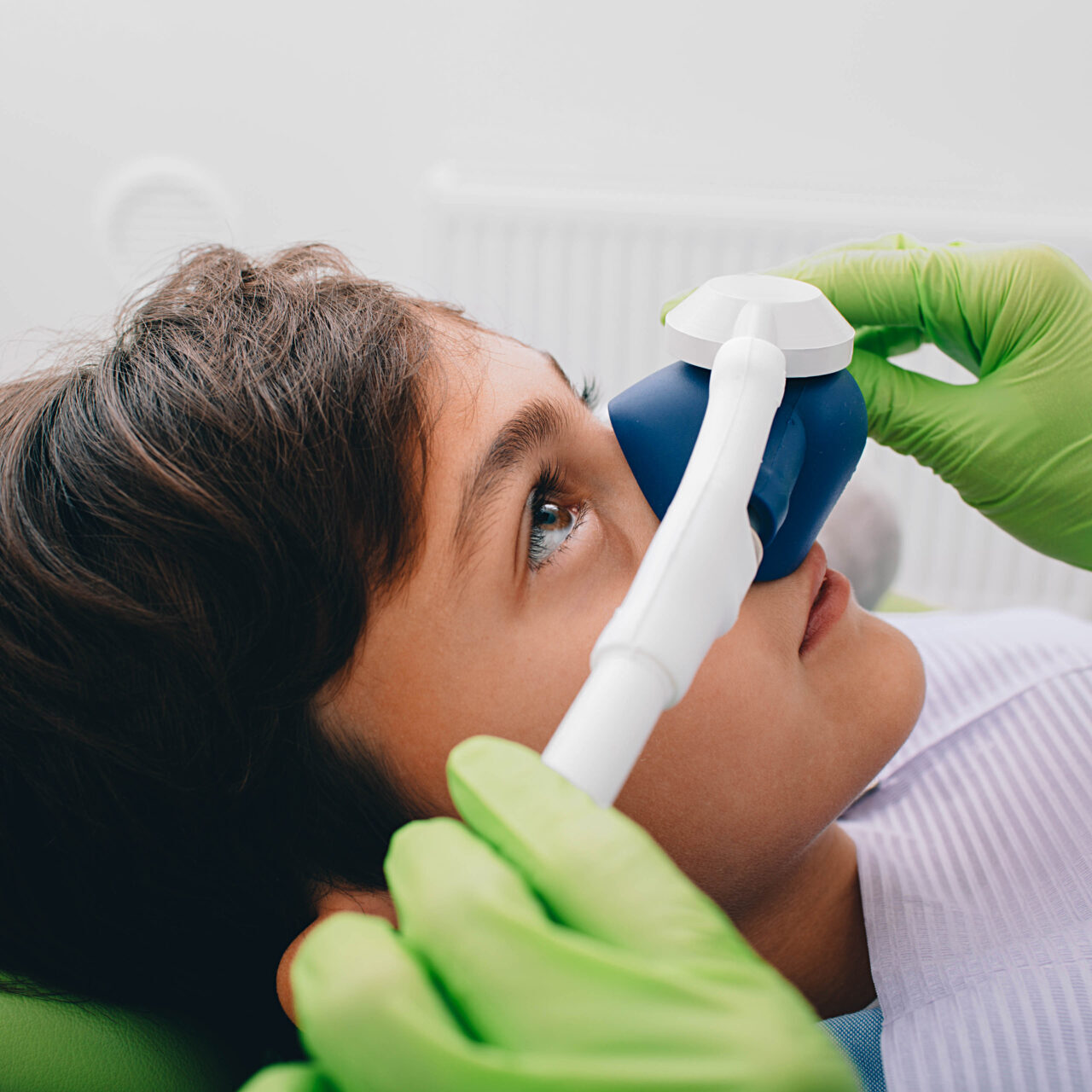
If gum disease is detected, our experienced Unley dentists will assess it thoroughly and put together a personalised treatment plan to get your gums healthy again using the most modern equipment and techniques available, and always with your comfort as a priority.
Summary